Thermal breaks play an increasingly important role in New Zealand construction, but not all thermal breaks are doing the same job. In practice, the products we supply fall into two very different markets, each with its own design drivers, installation methods, and performance requirements.
Understanding the difference helps designers, builders, and installers choose the right solution and avoid costly mistakes later in the build.
Light Gauge Steel Framing – Thermax B®
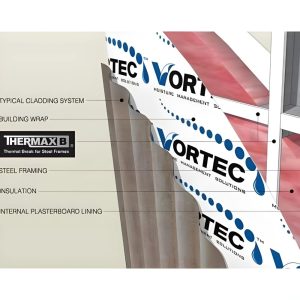
In light gauge steel construction, thermal bridging is usually addressed as part of the external wall system. This is where Thermax® B comes into play.
Thermax® B is installed as a continuous thermal barrier to the outside face of light gauge steel framing, with the exterior cladding built over the top. How it is detailed will depend on the rest of the wall make-up, including rigid air barriers, cavity systems, and cladding type, but the intent is always the same: reduce heat loss through steel framing.
Used correctly, Thermax® B:
- Interrupts thermal bridging through steel studs
- Improves the overall performance of the wall assembly
- Supports compliance with New Zealand energy efficiency expectations
- Is quick to install and easy to integrate into common NZ wall systems
Because it is lightweight and supplied cut to order, Thermax® B is particularly well suited to residential and light commercial projects where thermal performance needs to be improved without adding structural complexity.
Structural Steel Connections – Armatherm®
Structural steel presents a very different challenge.
Here, thermal breaks are not just stopping heat flow. They are also carrying serious loads.
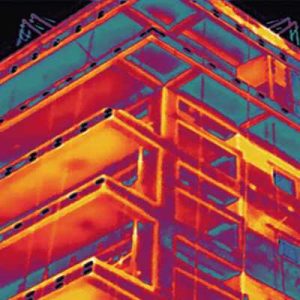
Armatherm® thermal breaks are designed specifically for these high-load applications. Instead of being used across an entire wall, they are installed at critical structural connection points, such as:
- Balconies and canopies
- Façade support brackets
- Steel-to-steel or steel-to-concrete interfaces
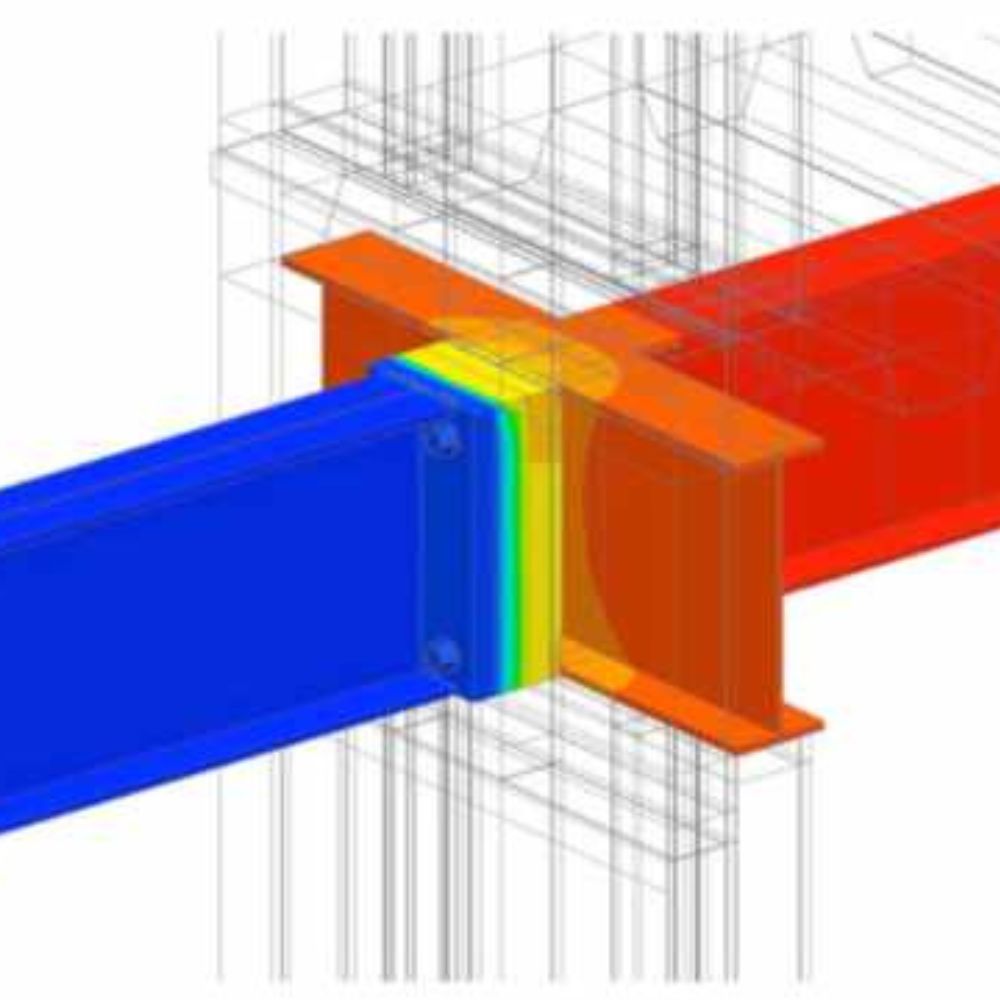
Armatherm materials deliver the strength of steel while being around 150 times less thermally conductive. This allows designers to dramatically reduce heat loss and condensation risk at exposed connections without compromising structural performance.
As thermal modelling and condensation control become more prominent in New Zealand commercial projects, Armatherm has become the go-to solution where both structural integrity and thermal efficiency must be achieved together.
One Size Doesn’t Fit All
A common misconception is that thermal breaks are interchangeable. In reality, the requirements for light gauge steel framing and structural steel are worlds apart.
- Envelope-based systems focus on continuity, insulation support, and constructability
- Structural systems demand high compressive strength alongside thermal separation
Selecting the right thermal break for the right application ensures better performance, cleaner detailing, and fewer issues once the building is in service.